Understanding Global Food Trends: What's Shaping Our Plates
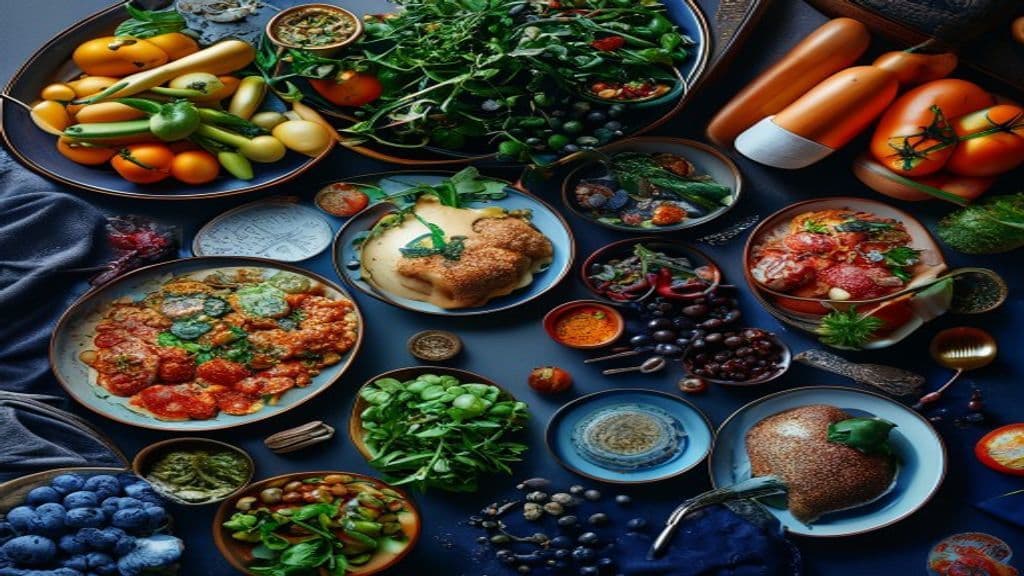
Food trends reflect the evolving preferences, values, and concerns of consumers worldwide, influencing everything from grocery aisles to restaurant menus. These shifts are not merely fleeting fads but indicators of broader societal changes, impacting health, sustainability, and cultural palates.
The Dynamics of Food Trends
The emergence and spread of food trends are complex processes, often influenced by a confluence of factors. They can originate from various sources, including culinary innovators, health experts, agricultural advancements, and even social media. Trends are frequently observed and documented at industry events and trade shows, where new products and concepts are showcased to a global audience. While some trends gain rapid, widespread adoption, others might remain niche or evolve differently across various regions, reflecting local tastes and cultural specificities. Understanding these dynamics is crucial for both consumers looking to make informed choices and businesses aiming to innovate and meet demand.
Key Influences Shaping Modern Diets
Several overarching themes consistently drive the direction of food trends. Health and wellness remain paramount, with consumers increasingly seeking foods that offer specific nutritional benefits or support overall well-being. This focus extends beyond basic nutrition to include ingredients that promote gut health, mental clarity, or energy. Sustainability is another powerful driver, as awareness grows about the environmental impact of food production and consumption. Ethical considerations, such as animal welfare and fair trade practices, also play a significant role. Furthermore, technological advancements in food science and preparation methods continue to open new possibilities, from alternative protein sources to personalized nutrition. Globalization and increased cultural exchange also introduce new flavors, ingredients, and culinary traditions to broader audiences.
Emerging Categories and Consumer Shifts
The current landscape of food trends highlights several key areas of innovation and consumer interest. These categories often intersect, demonstrating a holistic approach to eating that prioritizes both personal health and planetary well-being.
- Plant-Based Innovations: Beyond traditional vegetarianism, this segment sees continuous growth in plant-based meat and dairy alternatives, often focusing on improved taste, texture, and nutritional profiles.
- Functional Foods and Beverages: Products fortified with specific ingredients like probiotics, adaptogens, or nootropics are gaining traction, promising benefits beyond basic sustenance, such as stress reduction or improved cognitive function.
- Global Flavors and Ingredients: Consumers are increasingly adventurous, seeking out authentic international cuisines and unique ingredients, leading to a diversification of spices, sauces, and cooking methods available in mainstream markets. This also includes the rise of unique condiments offering alternatives to traditional staples.
- Sustainable and Ethical Sourcing: A strong preference for products that are locally sourced, organic, fair-trade, or have a reduced environmental footprint, such as regenerative agriculture practices.
- Convenience and Personalization: Demand for easy-to-prepare meals, customizable options, and subscription services that cater to individual dietary needs and preferences continues to grow.
The Impact on Industry and Future Outlook
The evolving nature of food trends presents both opportunities and challenges for the food industry. Manufacturers, retailers, and hospitality businesses must remain agile, adapting their product development, sourcing strategies, and marketing efforts to align with consumer expectations. This often involves investing in research and development for new ingredients and production methods, collaborating with food tech startups, and transparently communicating product origins and benefits. For consumers, these trends offer a wider array of choices, encouraging exploration of new culinary experiences and fostering a more mindful approach to eating. Looking ahead, the interplay between health, sustainability, technology, and cultural diversity will likely continue to shape our food systems, driving innovation towards a future where food is not only delicious but also nourishing and responsible.
Sources & further reading
Written by the NDTVS desk based on trending coverage. Browse the original reporting via Google News: food trends. We summarise and add context; we do not republish other outlets' articles or images.