Navigating Climate Change: Global Impacts, Adaptation, and Future Resilience
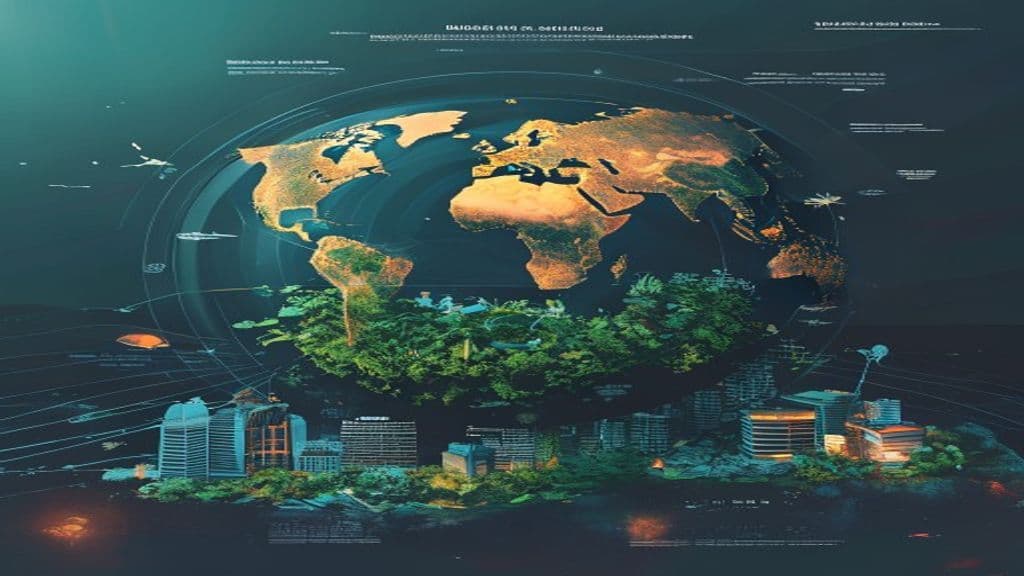
The planet is experiencing a profound transformation, with recent environmental shifts highlighting the pervasive and varied impacts of a changing climate across continents. From prolonged periods of intense heat affecting vast regions to unexpected atmospheric and oceanic phenomena, these developments underscore a global challenge that demands both immediate attention and long-term strategic responses from communities and policymakers alike. Understanding these evolving patterns is crucial for fostering resilience and developing effective mitigation and adaptation strategies.
Global Manifestations of Climate Change
Recent observations across multiple continents reveal a clear pattern of climate-related disruptions, impacting human societies and natural ecosystems. Heatwaves, once considered rare occurrences, are becoming more frequent, intense, and geographically extensive, challenging infrastructure, public health systems, and agricultural productivity. These extreme temperature events are not isolated incidents but rather indicators of broader climatic shifts driven by rising global average temperatures. Simultaneously, scientists are monitoring unusual weather phenomena, such as persistent oceanic temperature anomalies, which can have far-reaching implications for global weather systems. For example, specific areas of the Atlantic Ocean have exhibited colder-than-average surface temperatures, a phenomenon that can disrupt established ocean currents and atmospheric patterns, potentially influencing everything from precipitation distribution to the intensity of storm seasons far beyond their immediate vicinity. These varied signs collectively point to a complex and dynamic environmental landscape where established norms are being redefined.
- Increased frequency and intensity of regional heatwaves impacting public health and economic sectors.
- Observed shifts in global atmospheric and oceanic circulation patterns, leading to unpredictable weather.
- Emergence of unusual local weather anomalies with potential for broader systemic effects on climate.
Adapting to New Realities and Daily Life
As the manifestations of climate change become more evident and widespread, societies worldwide are increasingly confronted with the necessity of adaptation. This involves adjusting practices, infrastructure, and daily routines to cope with altered environmental conditions. For instance, traditional seasonal activities and recreational programs, such as summer camps, are being re-evaluated in light of higher temperatures, prompting changes in scheduling, location, and operational protocols to ensure participant safety and overall sustainability. Urban planning is also evolving, with greater emphasis on designing cities that can withstand extreme heat, incorporating features like heat-resilient infrastructure, expanded green spaces, and reflective surfaces designed to mitigate urban heat island effects. Furthermore, agricultural practices are adapting to changing growing seasons and water availability. This widespread shift towards adaptation acknowledges that while global mitigation efforts to reduce greenhouse gas emissions are critically important, communities must also prepare for the impacts already underway and those projected for the future, integrating resilience into every facet of societal planning.
Proactive Responses and Building a Resilient Future
Beyond reactive adaptation, there is a growing global impetus for proactive engagement and long-term solutions to address the root causes and consequences of climate change. Governments, organizations, and individuals are exploring innovative approaches to build resilience and accelerate the transition to more sustainable practices. A notable trend involves the increased participation of younger generations, who are actively engaged in advocacy, technological innovation, and community-level initiatives aimed at fostering environmental stewardship and driving systemic change. These efforts range from advocating for robust climate policies and investments in renewable energy to developing sustainable local projects that address specific climate vulnerabilities, such as community-led reforestation or water conservation schemes. The collective response underscores a recognition that addressing climate change requires a multi-faceted approach, combining rigorous scientific understanding, robust policy implementation, rapid technological advancement, and widespread public engagement to forge a more equitable and resilient future for all.
Sources & further reading
Written by the NDTVS desk based on trending coverage. Browse the original reporting via Google News: climate change. We summarise and add context; we do not republish other outlets' articles or images.