On-Device AI Goes Mainstream: What It Means for Everyday Apps
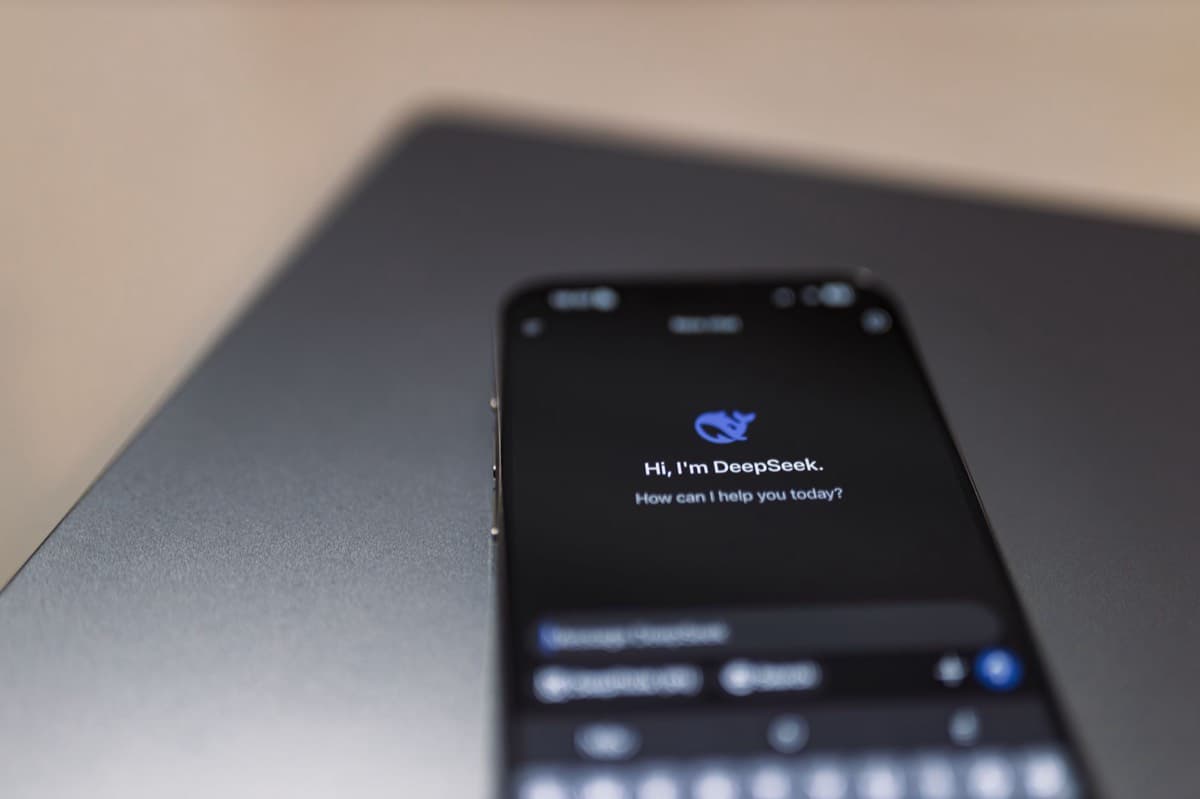
This week's technology headlines keep circling the same theme: artificial intelligence is moving off remote servers and onto the devices in people's pockets. Below is an original, plain-language explainer of why that matters — synthesised from the day's coverage, not copied from it.
Why "on-device" is the story
For years, an AI feature meant sending your request to a data centre and waiting for an answer to come back. On-device models flip that arrangement: the model runs locally, so a request never has to leave the phone or laptop. Smaller, more efficient models have finally made that practical for everyday tasks.
What it changes for you
- Privacy — personal data stays on the device instead of travelling to a third-party server.
- Speed — no network round-trip means features respond instantly, even offline.
- Cost — there is no per-request cloud bill, which changes the economics for the apps you use.
The trade-off
Local models are smaller, so they still trail the largest cloud systems on the hardest problems. The emerging pattern is hybrid: handle everyday work on-device, and reach for the cloud only when a task genuinely needs the extra power.
Sources & further reading
This explainer was written by the NDTVS desk based on trending technology coverage. Browse the original reporting via Google News: AI technology. We summarise and add context; we do not republish other outlets' articles or images.