What On-Device AI Actually Does on 2026 Phones
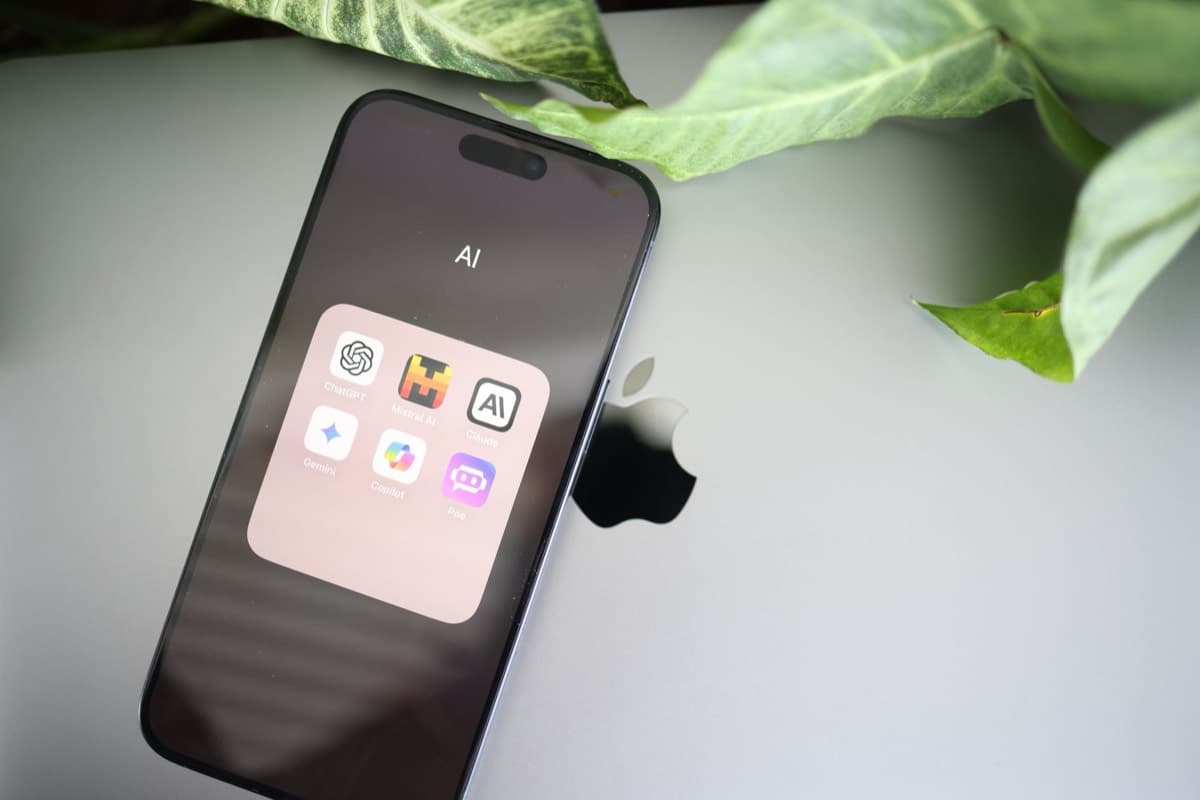
"AI phone" was a marketing line a couple of years ago. In 2026 it describes something concrete: a dedicated neural engine (NPU) inside the main chipset that runs real AI work locally, without a constant trip to the cloud.
What now runs locally
The list of on-device tasks has grown well beyond autocorrect:
- Photo and image editing — local generation and clean-up with near-professional results.
- Transcription and summaries — voice notes and long text condensed instantly, even offline.
- Assistants — multi-step commands ("find a gap and schedule this across my calendars") handled on the device, with proactive suggestions based on your habits.
The camera is still the showcase
Cameras remain where on-device AI is most visible: real-time scene detection, automatic setting optimisation and instant enhancement, plus a new wave of local photo and video editing and more fluid voice translation.
Privacy and battery — the quiet wins
Because sensitive data — biometrics, messages — can be processed on the handset, less of it travels to remote servers, which reduces the surface area for breaches. The same intelligence is being pointed at power: adaptive battery, smart refresh-rate control and AI-tuned charging that trims wasted energy without the user micromanaging settings.
The trade-off
Local models are smaller than the biggest cloud systems, so the hardest tasks still reach out to the cloud. The practical 2026 design is hybrid — do everyday work on-device, escalate only when needed.
Sources & further reading
Written by the NDTVS desk from current coverage. Browse the reporting via Google News: on-device AI phones 2026. We summarise and add context; we do not republish other outlets' articles.