Middle East Tensions Spike as US–Iran Strikes Intensify
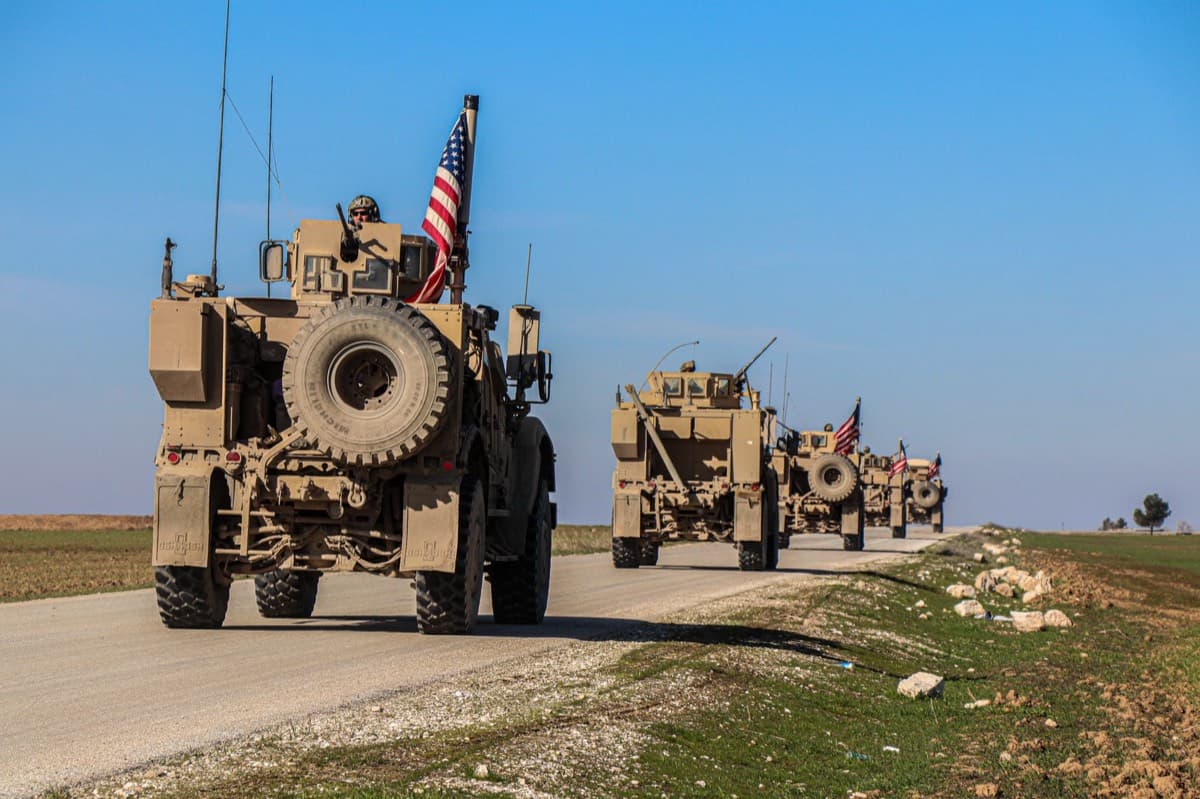
The Middle East is on edge after an intensifying exchange of strikes between the United States and Iran pushed the region closer to a full-scale conflict. The escalation has alarmed neighbouring states and rattled energy markets already nervous about supply.
Where things stand
A back-and-forth of military strikes has sharply raised the stakes in recent days. Regional capitals are urging restraint, wary that a miscalculation could draw in other actors and disrupt shipping and oil flows through the Gulf.
A diplomatic window
Even amid the strikes, there is a thread of diplomacy. Pakistan's prime minister — acting as a key mediator in talks aimed at ending the fighting — said over the weekend that a deal was closer "than ever before," and suggested an agreement could come together "in the next 24 hours." Officials cautioned that gaps remain, and that announced timelines have slipped before.
Why it matters beyond the region
- Energy — any disruption to Gulf supply routes feeds quickly into global oil prices and, in turn, inflation.
- Markets — investors are already pricing in geopolitical risk, adding to a jittery summer for equities and bonds.
- Diplomacy — the outcome will shape alignments well beyond the immediate parties.
Also in the news
Elsewhere, the Women's T20 World Cup got under way across England and Wales, and authorities in Northern Ireland responded to a second night of unrest in Belfast following a stabbing.
Sources & further reading
Written by the NDTVS desk from current reporting, including NPR World and Google News: US Iran. We summarise and add context; we do not republish other outlets' articles. This is a developing story.