What Investigative Journalism Actually Involves
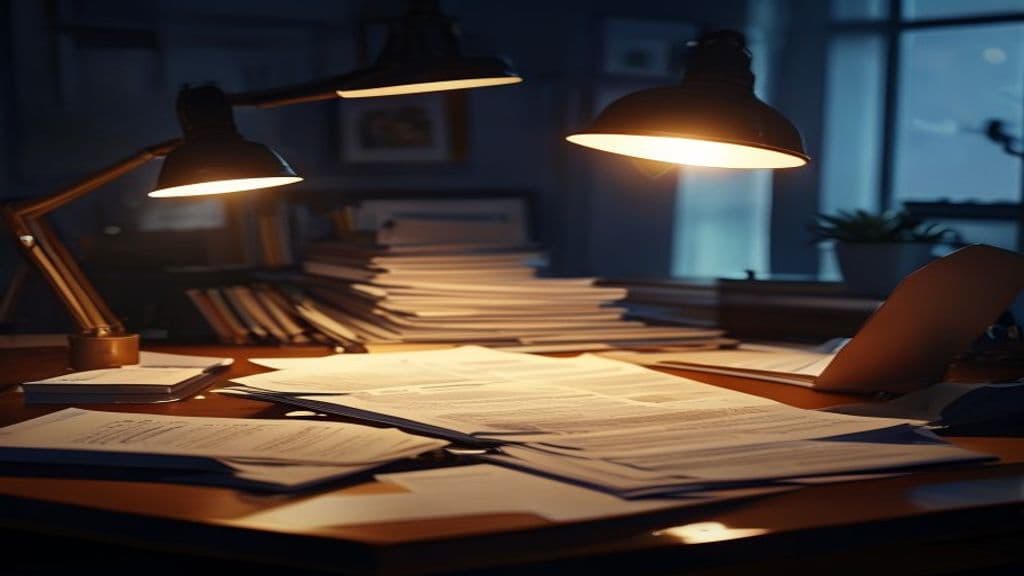
Investigative reporting is often imagined as a dramatic confrontation. In practice it is closer to accounting: slow, document-heavy and obsessive about proof.
Documents first, drama later
Serious investigations are built on records — contracts, court filings, budgets, emails obtained legally. Reporters cross-reference these against interviews so that no single source can steer the story. A claim usually needs to be confirmed two or three independent ways before it is printed.
Why it takes so long
Editors and lawyers review findings line by line, and subjects of a story are given a fair chance to respond before publication. That process is deliberately slow because the cost of getting it wrong is high. The result — when it works — is reporting that holds up even when powerful people push back.
Understanding this makes you a sharper reader: the outlets worth trusting are the ones that show their work.